Source Super Finished Clutch Release Bearing for Trucks, Tractors, Racing Cars
Compare 30 listings for the super finished clutch release bearing suitable for heavy duty trucks, tractors, and racing cars. Buyers can evaluate specifications like stroke type, material, and customization options from verified suppliers in China.
Key considerations
Products List




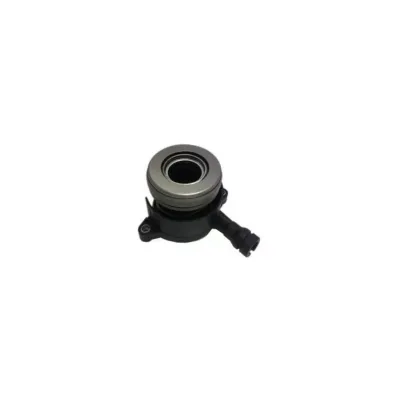


Comprehensive Sourcing Guide
Strategic Sourcing Guide for Super Finished Clutch Release Bearings
Navigating the global market for super finished clutch release bearings requires a disciplined approach that balances technical precision with supply chain reliability. For procurement professionals in the automotive and heavy machinery sectors, the term "super finished" implies a component manufactured to exceptionally tight tolerances, ensuring minimal friction and extended service life under high-stress conditions. The following guide synthesizes observed market data and established industry practices to provide a robust framework for sourcing these critical transmission components. Buyers must recognize that while specific product attributes vary by manufacturer, the fundamental requirements for performance, compliance, and durability remain consistent across the supply chain.
Technical Specifications and Material Integrity
The core functionality of a clutch release bearing relies heavily on its internal geometry and the quality of its constituent materials. In the current market, specifications for these components often include precise dimensional requirements, such as an inner diameter of 60 mm, which serves as a baseline for compatibility with various transmission housings. The product model numbers observed in active listings, such as 3151 000 278, 4141249650, and 3100 026 432, indicate a high degree of standardization, yet buyers must verify that the specific model number matches the original equipment manufacturer (OEM) requirements of their target vehicles.
Material selection is a primary determinant of performance. Market observations indicate that steel is the predominant material used for the housing and internal raceways, with specific listings citing both carbon steel and stainless steel variants. The choice between these materials often depends on the operating environment; stainless steel may be preferred for applications requiring corrosion resistance, while carbon steel offers the necessary hardness for high-load scenarios. Furthermore, the "super finished" designation suggests that the bearing surfaces undergo specialized grinding processes to achieve a surface roughness significantly lower than standard bearings. Buyers should verify that the supplier explicitly confirms this finishing process, as it directly impacts the bearing's ability to handle the "Linkage" working state and "Power Combining" working modes typical in heavy-duty applications.
Compliance, Certification, and Standard Verification
In the B2B procurement of automotive components, compliance is not merely a regulatory formality but a critical risk mitigation strategy. The market data reveals a diverse landscape of certifications, ranging from ISO/TS16949 to ISOGS, RoHS, and CE. It is essential for buyers to understand that ISO/TS16949 is a specific quality management standard for the automotive industry, whereas general ISO 9001 certification, while valuable, does not guarantee the same level of automotive-specific process control. When evaluating potential suppliers, procurement teams must request valid, up-to-date certificates and verify their scope to ensure they cover the specific manufacturing of clutch release bearings.
Standardization also plays a pivotal role in compatibility. Listings reference a wide array of international standards, including BS, ANSI, JIS, GB, GOST, ASTM, and DIN. Additionally, specific regional or proprietary standards such as KZISZ-5 and KZISZ-3 have been observed in product descriptions. Buyers must exercise caution when interpreting these standards; they often denote specific manufacturing protocols or regional compliance requirements rather than universal performance metrics. The presence of a standard like "4141249650" listed under "prod_standard" suggests a proprietary or OEM-specific specification that must be cross-referenced with the vehicle's technical manual. Relying solely on a generic standard without verifying the specific application context can lead to compatibility issues. Therefore, the verification process should include a direct comparison of the supplier's stated standards against the OEM's technical drawings and specifications.
Cost Drivers and Pricing Dynamics
Understanding the cost structure of super finished clutch release bearings is vital for budgeting and negotiation. The observed price range in the market is exceptionally broad, spanning from $0.10 to $100,000 USD. This variance is not indicative of a single product category but rather reflects the inclusion of different product types, from simple replacement parts to complete assembly kits or specialized industrial machinery components. For a standard clutch release bearing, the price is typically driven by material costs, the complexity of the super finishing process, and the volume of the order.
The Minimum Order Quantity (MOQ) is another significant cost driver. Market data shows MOQs ranging from 1 unit to 10,000,000 units. High-volume buyers may negotiate lower per-unit costs by committing to larger orders, while smaller buyers or those requiring rapid prototyping may face higher unit prices but benefit from lower MOQs. The "Selling Units" attribute, which sometimes lists "Single item," suggests that some suppliers cater to the repair market or small-scale operations, whereas others operate strictly on bulk industrial contracts. Buyers should also consider the "prod_packing" method, which varies from "OEM" and "Neutral Packaging" to "Carton, Pallet" and "Customized Service." Customized packaging and branding often incur additional costs but may be necessary for specific supply chain requirements or brand protection strategies.
Typical Applications and Usage Scenarios
The versatility of clutch release bearings is evident in the wide range of applications they support. Market observations list usage scenarios spanning "Heavy Duty Trucks," "Cars," "Farm Machinery," "Tractors," and "Racing Cars." This diversity underscores the need for buyers to match the bearing's specific technical capabilities to the intended application. For instance, bearings designed for "Heavy Duty Trucks" and "Heavy Trucks" must withstand higher torque loads and more frequent engagement cycles compared to those intended for standard passenger cars.
Furthermore, the "Purpose" of the component is frequently cited as "for Repair" or "for replace/repair," indicating a strong presence in the aftermarket sector. However, the "Advantages" listed in some product descriptions, such as "Precision-Driv Quality" and "Proven Indust," suggest that these components are also critical for original equipment manufacturing. In agricultural applications, the bearing must endure harsh environments involving dust, moisture, and vibration, as seen in uses like "Tillage," "Planting and Fertilization," and "Grain Threshing." Buyers sourcing for these sectors should prioritize bearings with robust sealing and corrosion-resistant materials. The "Type" attribute, which includes items like "Shovel" or "430 Platen" in some listings, highlights the importance of distinguishing between the bearing itself and the broader machinery it serves, ensuring that the procurement focus remains on the specific component required.
Supplier Evaluation and Operational Capabilities
Selecting the right supplier involves a comprehensive evaluation of their operational capabilities and track record. The "Place of Origin" is a key factor, with "China" and specifically "Hebei China" appearing frequently in product data. While this indicates a major manufacturing hub, buyers should not assume uniform quality across all suppliers in the region. Instead, they should focus on the supplier's specific quality control processes and their ability to meet the "Quality Level: High" expectations often advertised.
The "Lead Time" is another critical operational metric. An observed lead time of 15 days suggests a relatively efficient production cycle, but buyers must confirm if this applies to stock items or custom orders. Customization is a common feature, with attributes like "Customization: Available" and "Customized: Yes" appearing in multiple listings. This flexibility allows buyers to tailor products to specific needs, but it also extends lead times and requires clear communication of specifications. The "Brand Name" field, showing entries like "Dalishen" and "hbholu," indicates that both branded and generic options exist. Buyers should assess whether a branded product offers tangible benefits in terms of traceability and warranty support compared to unbranded or neutral-packaged alternatives. Additionally, the "Condition" of the product is almost universally listed as "New," which is a baseline requirement for any new procurement, but buyers should verify that "New" implies factory-fresh condition rather than refurbished stock.
Quality Control and Long-Term Procurement Considerations
Ensuring consistent quality is paramount in the long-term success of any procurement strategy. The "Working State" of "Linkage" and the "Working Mode" of "Power Combining" imply that these bearings are integral to the smooth operation of the drivetrain. Any failure can lead to significant downtime and costly repairs. Therefore, buyers should implement rigorous quality control measures, including incoming inspection and periodic audits of the supplier's manufacturing processes. The presence of certifications like ISO/TS16949 is a strong indicator of a supplier's commitment to quality, but it should be complemented by on-site verification of their testing protocols.
Long-term procurement considerations also involve the stability of the supply chain. The "prod_packing" options, ranging from standard cartons to palletized shipments, affect logistics and storage costs. Buyers should evaluate their own storage capabilities and shipping requirements to determine the most efficient packing method. Furthermore, the "Customized Service" attribute suggests that suppliers are willing to adapt to specific buyer needs, which can be a valuable asset for maintaining a competitive edge. However, reliance on customization can introduce complexity into the supply chain. Buyers must balance the benefits of tailored solutions with the risks of supply disruption. Finally, the "Weight" of the component, such as the observed 43 units for specific models, should be factored into logistics planning and inventory management strategies. By maintaining a focus on these long-term factors, buyers can build a resilient supply chain capable of meeting the evolving demands of the automotive and industrial sectors.
FAQs
What certifications do super finished clutch release bearings have?
These bearings often carry ISO/TS16949, ISOGS, RoHS, and CE certifications. Buyers must verify that the specific certificate scope covers the manufacturing of clutch release bearings for automotive applications.
Which materials are used for super finished clutch release bearings?
Steel is the predominant material, with listings citing carbon steel and stainless steel variants. The choice depends on the operating environment, as stainless steel offers corrosion resistance while carbon steel provides hardness.
Can these bearings be customized for specific heavy duty trucks?
Yes, customization is available for specific needs like packaging and branding. Buyers should note that custom orders may extend lead times and require clear communication of specifications to ensure compatibility.
What is the typical lead time for sourcing these components?
An observed lead time is 15 days for standard orders. This duration may vary depending on whether the order is for stock items or requires customization, so buyers should confirm current status with suppliers.
Which specifications define the inner diameter of these bearings?
A common specification observed is an inner diameter of 60 mm. Buyers must verify that this dimension matches the original equipment manufacturer requirements of their target vehicles to ensure proper fit.
Where are these clutch release bearings typically manufactured?
Products originate from China, with specific locations like Hebei China noted. While this indicates a major manufacturing hub, buyers should evaluate individual supplier quality control processes rather than assuming uniform quality.